Corn
Field corn
Planted in spring once the soil warms, tasseled by midsummer, and combined in the fall when the kernels have dried down.
- Spring planting
- Fall harvest
- Stored on-farm in the bins
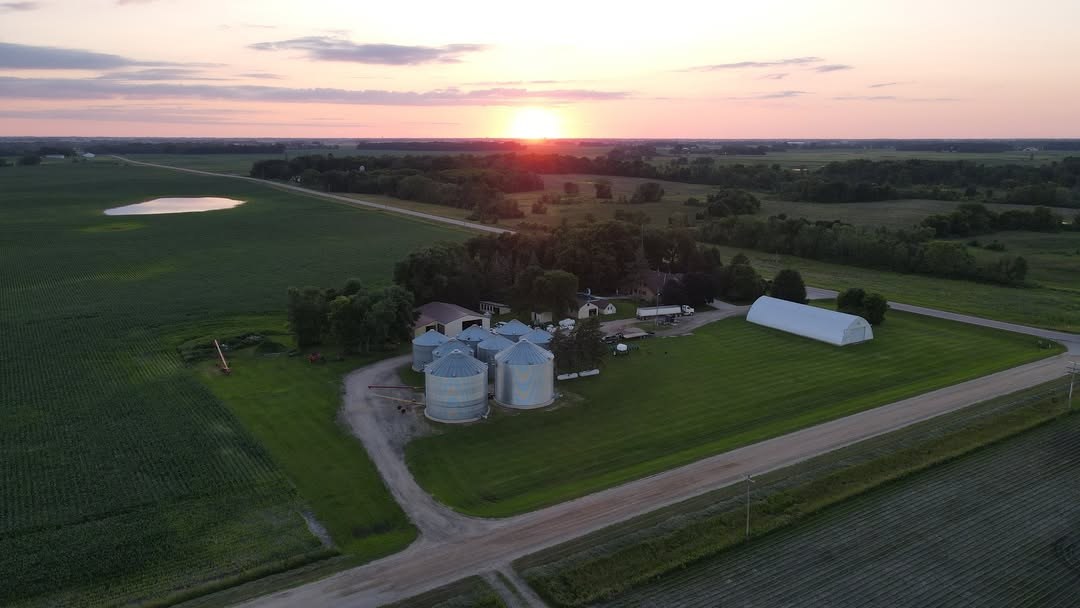
Hagen Farms is a multi-generational family corn and soybean farm in south central Minnesota. Same ground, same name, and a family still doing the work — from planting in the spring to the last load off the field in the fall.
Hagen Farms sits on 155th Street outside Glencoe, in the flat, black-soil country of McLeod County. It is a family operation that has been handed down rather than bought up — the kind of farm where the people in the cab are the people whose name is on the mailbox.
The work is corn and soybeans, the two crops this part of Minnesota does best. That means long days in April and May getting seed in the ground, a summer of watching the sky, and a fall of running the combine until the fields are clean.
“Multi-generational family corn and soybean farm located in south central Minnesota.”— Hagen Farms
Corn and soybeans in rotation — the backbone of south central Minnesota agriculture.
Planted in spring once the soil warms, tasseled by midsummer, and combined in the fall when the kernels have dried down.
Rotated with corn to keep the ground healthy. Harvested first in the fall, typically ahead of the corn.
Some of the most productive row-crop ground in the state, about an hour west of the Twin Cities on Highway 212.
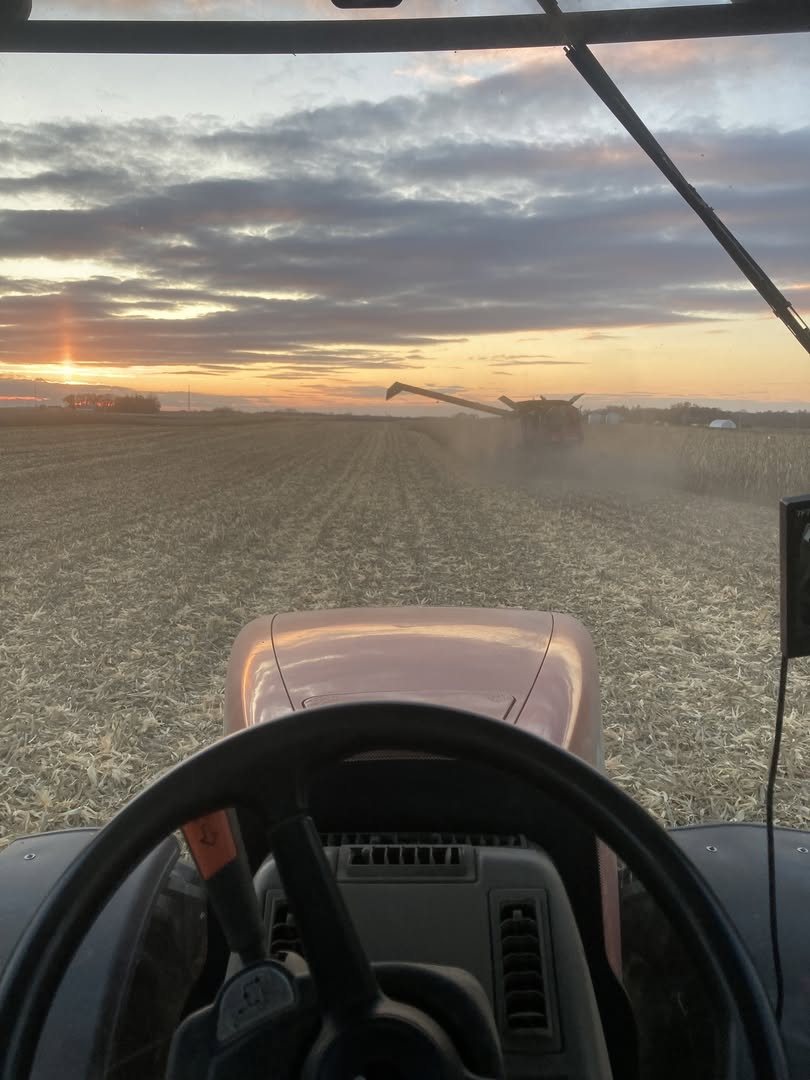
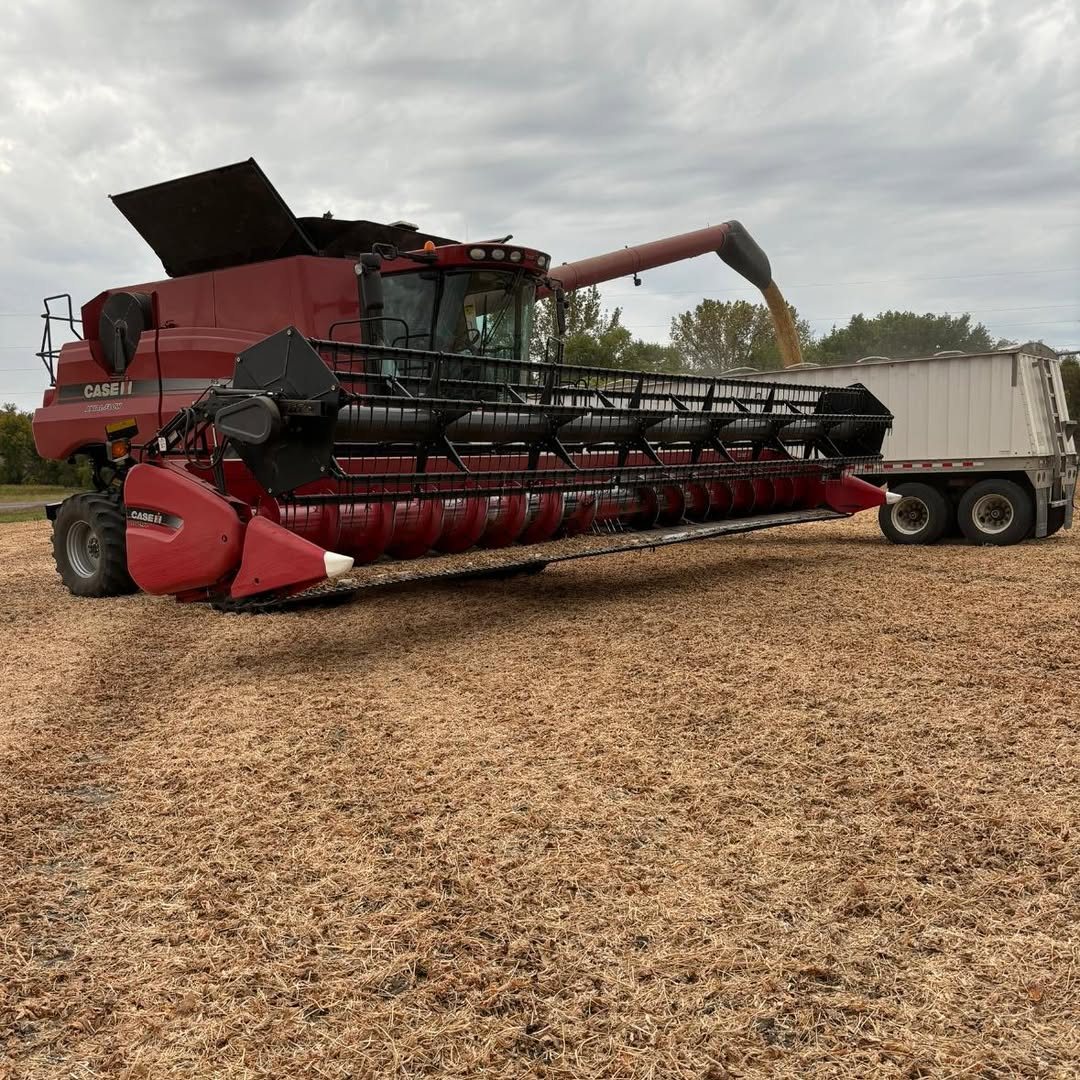
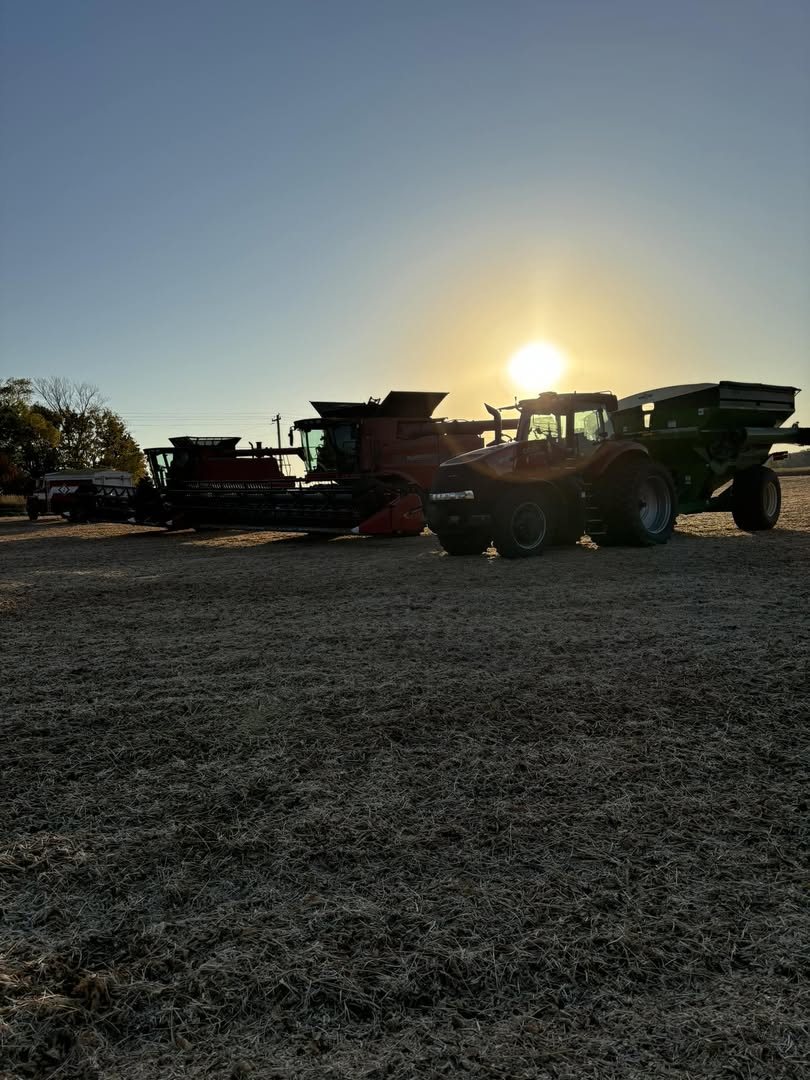
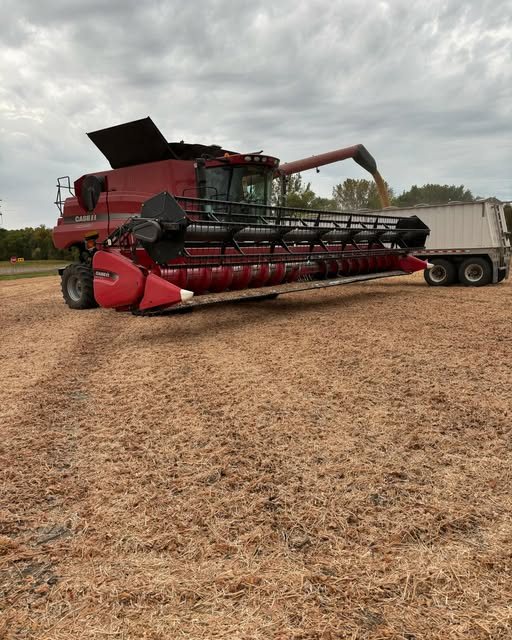
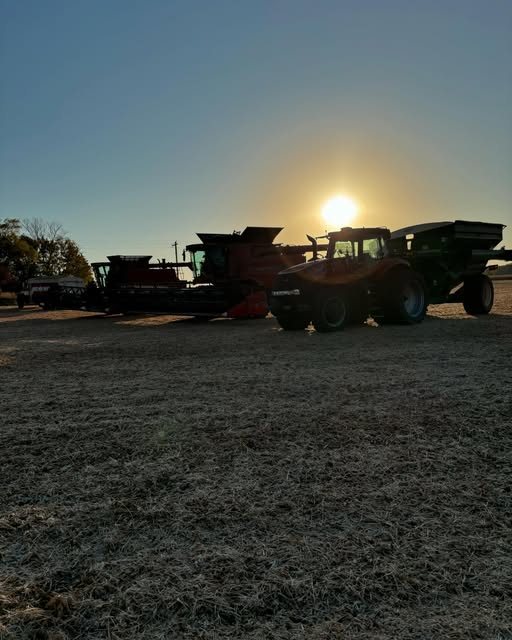
Photos from the farm’s own Facebook and Instagram — the combine, the grain cart and the sunsets that come with a long day in the field.
What a corn and soybean year looks like in south central Minnesota.
Fields are worked and seed goes in as soon as the soil is warm and dry enough. A few good weeks decide a lot of the year.
Corn tassels, beans flower and pod, and the farm watches rain totals and the forecast more closely than anyone in town.
Soybeans come off first, then corn. Combine, grain cart and trucks run from first light until the dew comes back.
Grain is hauled and marketed, equipment is serviced in the shed, and next year’s plan is made at the kitchen table.
Handed down through the generations and still in family hands today.
Rotating corn and soybeans keeps the soil working for the long run, not just this season.
Planting, spraying, harvesting, hauling — the family runs the equipment and knows every field by name.
A question about the farm, the land or the season — call, email, or send a message on Facebook.